
thePlaybook
thePlaybook

Master the fundraise from concept to close.
A practical roadmap for founders raising capital.
Start with theBaseline.
Free. Where you stand, why you get passed on, and whether you should raise at all.
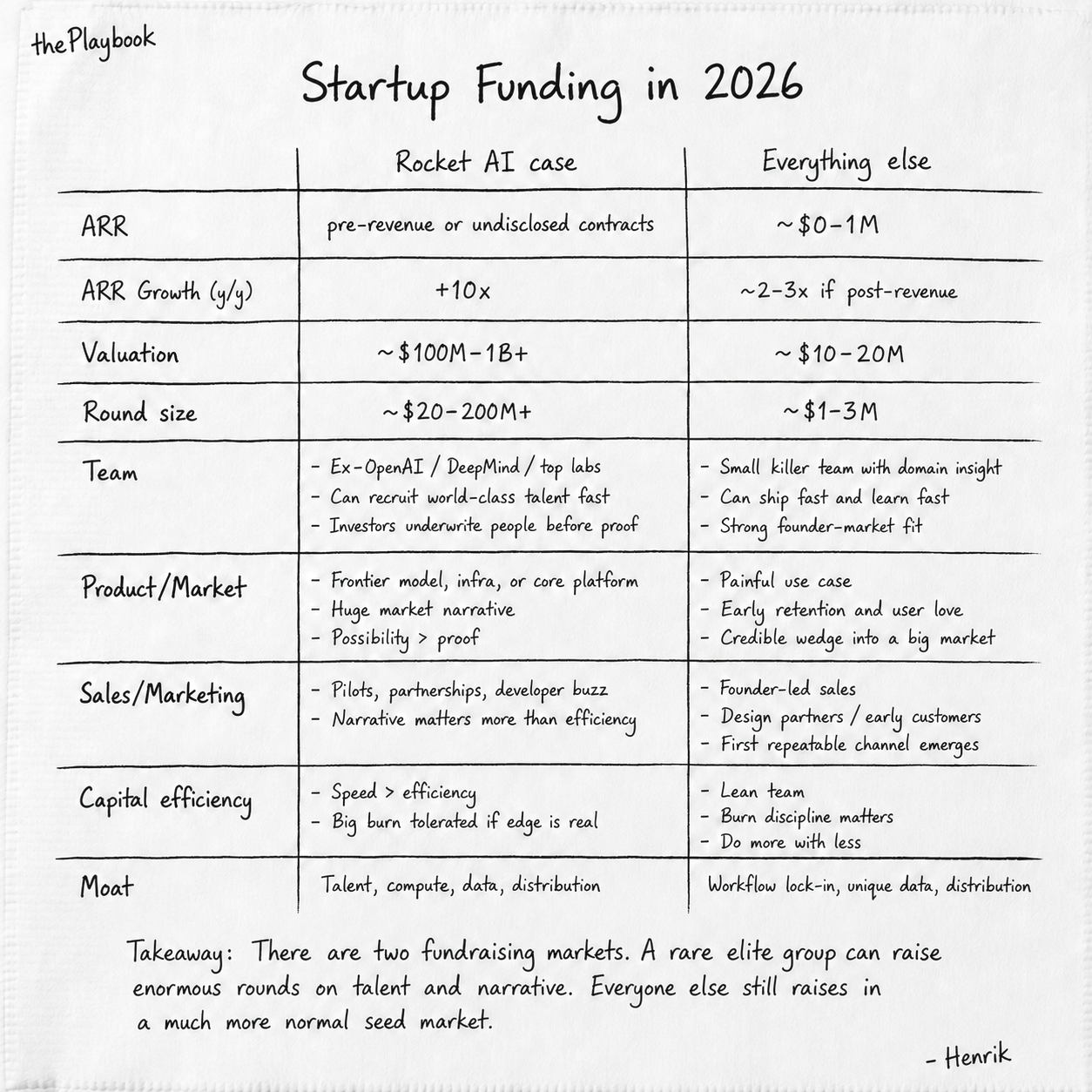
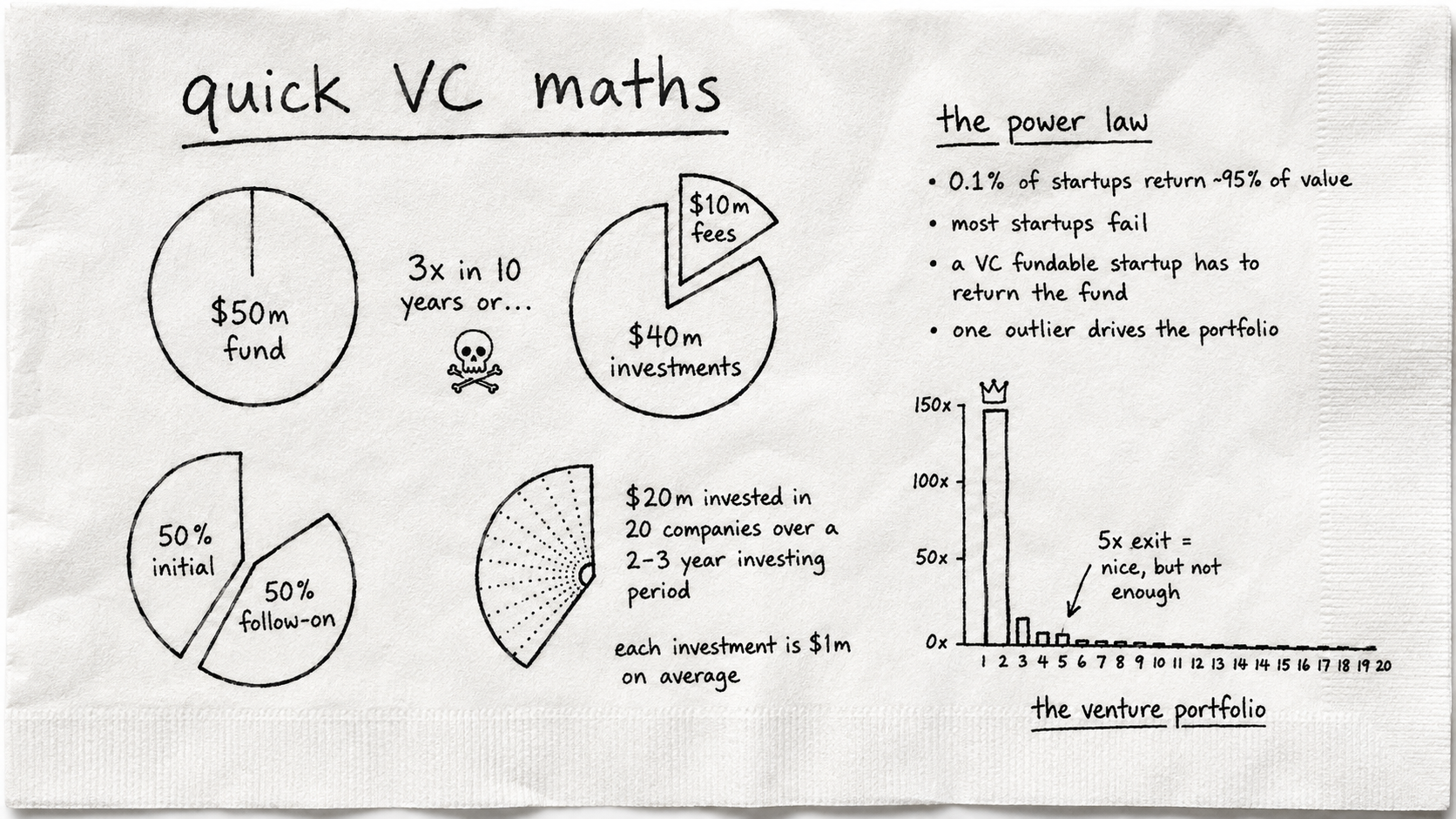
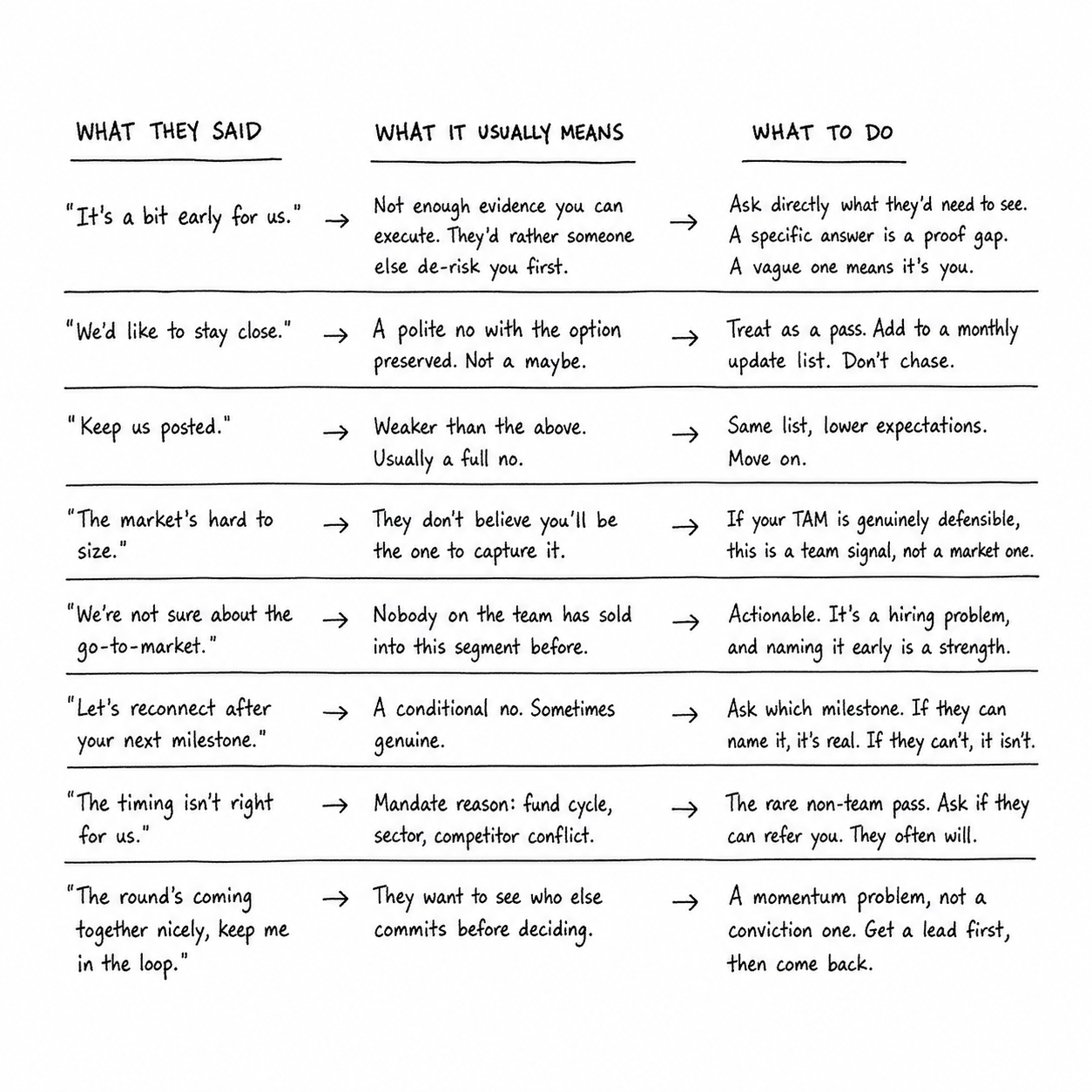
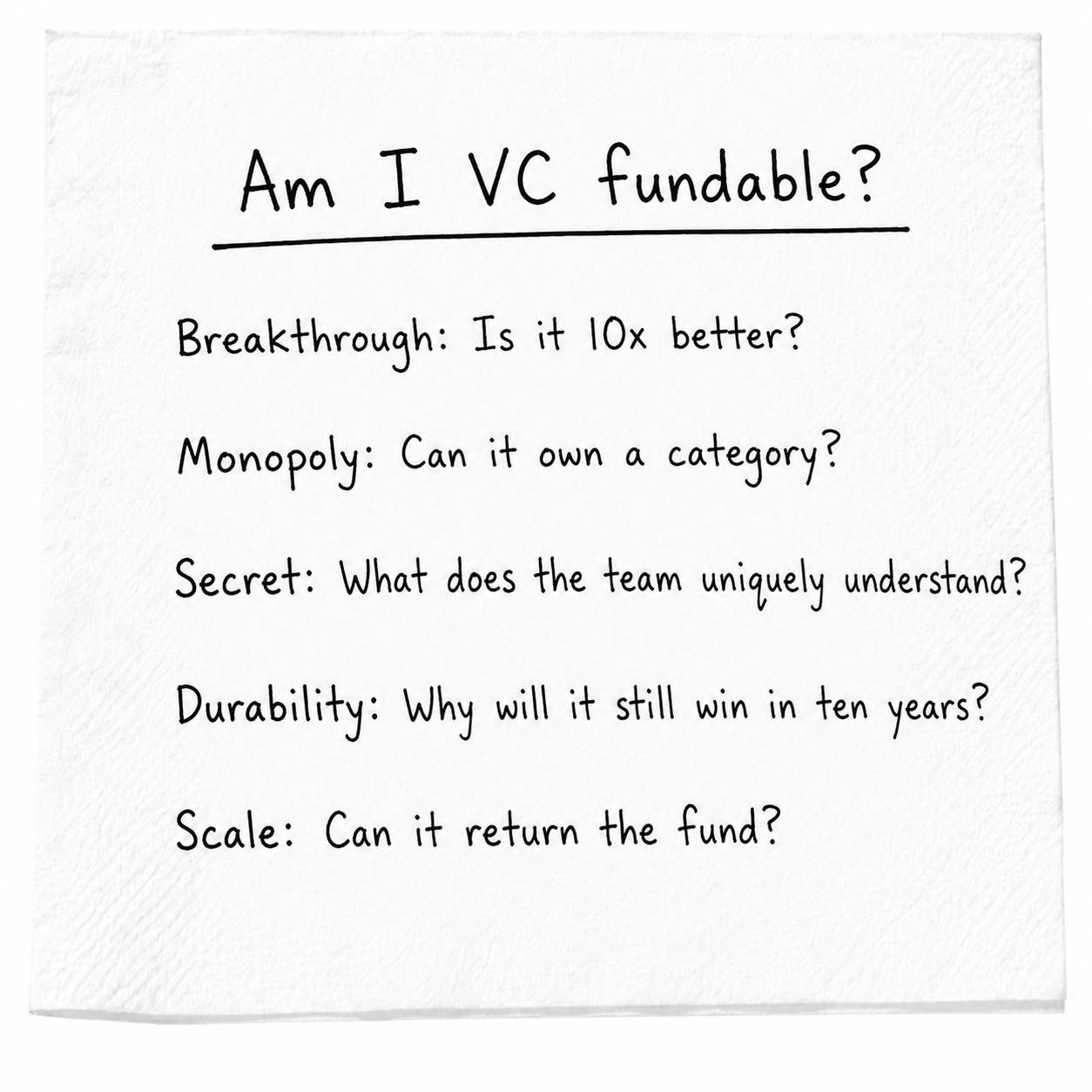
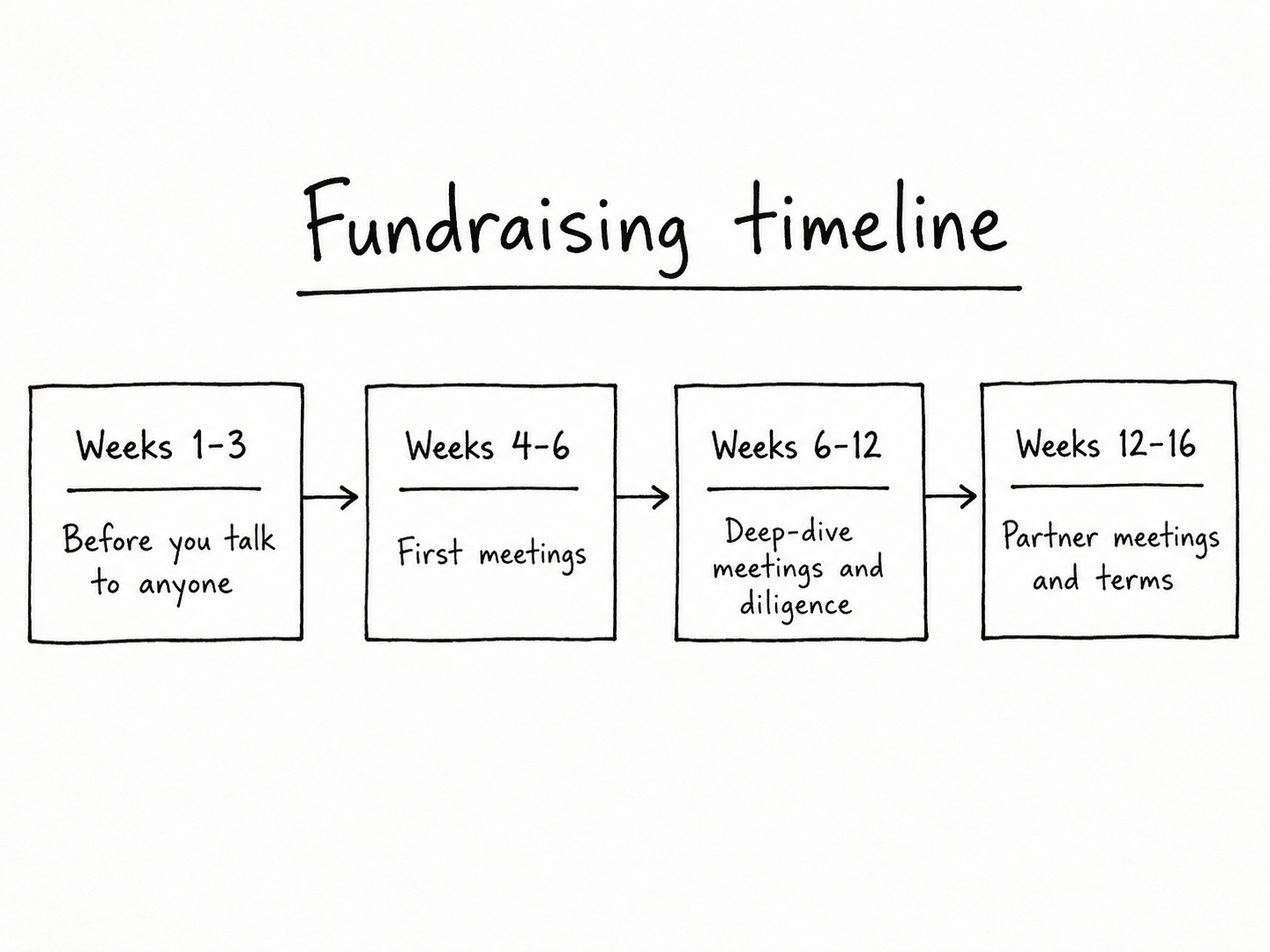
theBaseline shows you where you stand.
thePlaybook is the plan and execution.
thePreparation →
-
The moment you raise, you and your investor are playing different games with misaligned outcomes. The valuation treadmill, your one bet against their twenty, and how to set your own sell-and-walk-away thresholds before the pressure runs the other way.
-
Every stage is defined by the bar of the stage above it. Map what each round actually requires, what investors check, and where companies stall - so you build toward the next raise instead of just surviving the current one.
-
The version of your story that survives ninety seconds, twenty minutes, and an hour without contradicting itself. Not what you built, but why it's inevitable, told so an investor leans in instead of nodding politely.
-
Not "VCs in Europe" but the forty to sixty funds that actually fit, filtered by stage, cheque size, sector, whether they lead, and whether they've backed a competitor. Build the list with a reason for each name and a warm path in.
-
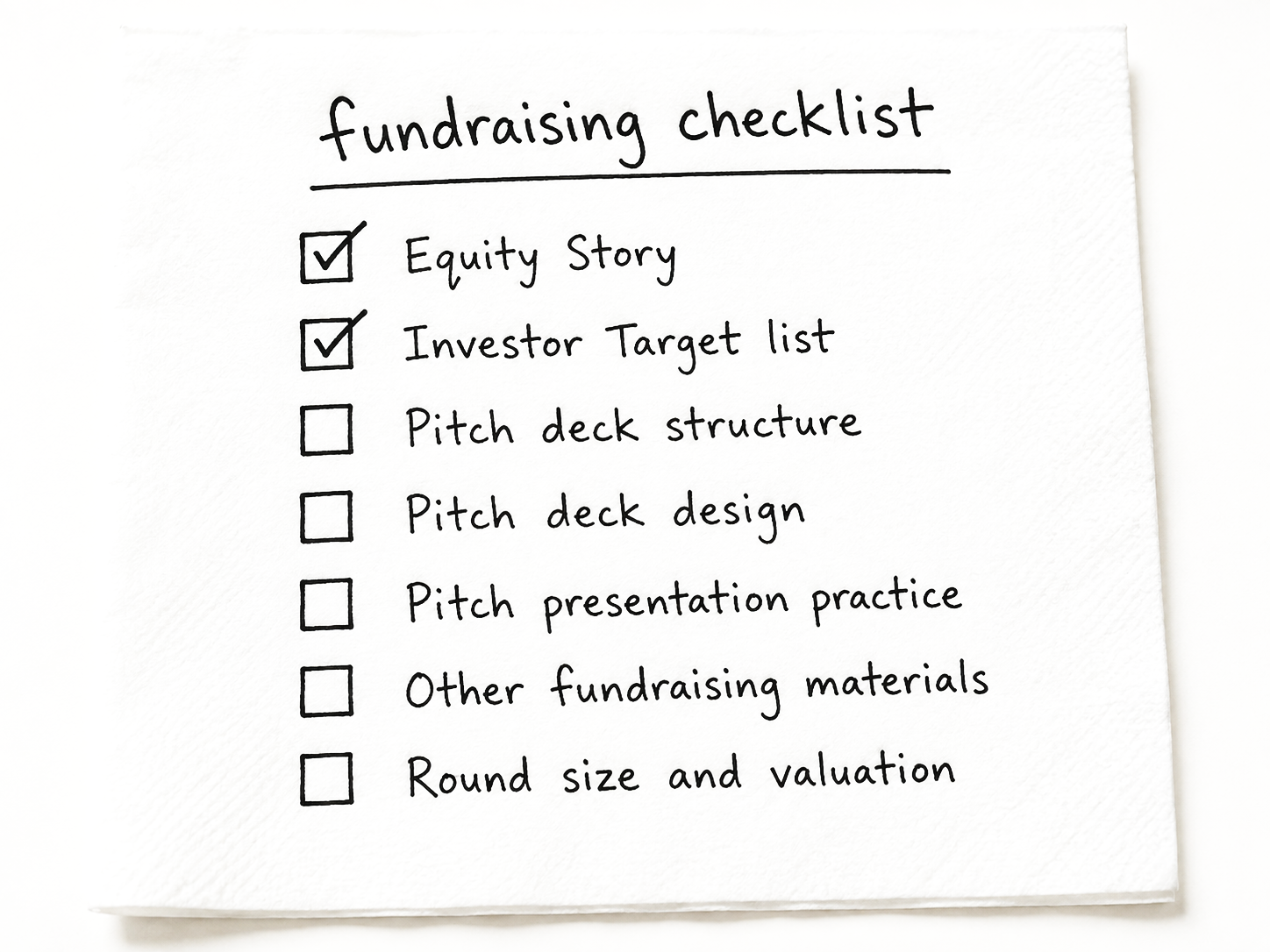
Fundraising is a full-time job, the metrics that actually matter, having your house in order prior to kicking-off fundraising etc.
Pitch deck template.
The full narrative arc, cover to close, with per-slide coaching on what a VC is really testing. Plus thePlaybook's own deck as a worked example.
theContent →
-
The deck, one-pager, data room, and model built to the structure and information density investors expect, so being asked for something you don't have never costs you a week mid-process.
-
A messy data room costs you credibility exactly when an investor is deciding whether to trust you with their money. Build it clean before the first meeting, one folder per section, staged so you control what they see and when, and organized enough to signal you run a tight ship.
-
Read your slide titles alone, top to bottom. If they tell the whole story without a single body point, your deck works. One argument per slide, the argument lives in the title, everything below it is proof. The deck earns the meeting, not the round.
-
Nobody believes your five-year forecast, including the investor reading it. The model's real job is to show how you think and whether your plan actually holds together. Build it simple, drive it from real assumptions, and let it catch your plan's flaws before an investor does.
-
The forwardables and the content; how to write captivating cold emails and connect with investors.
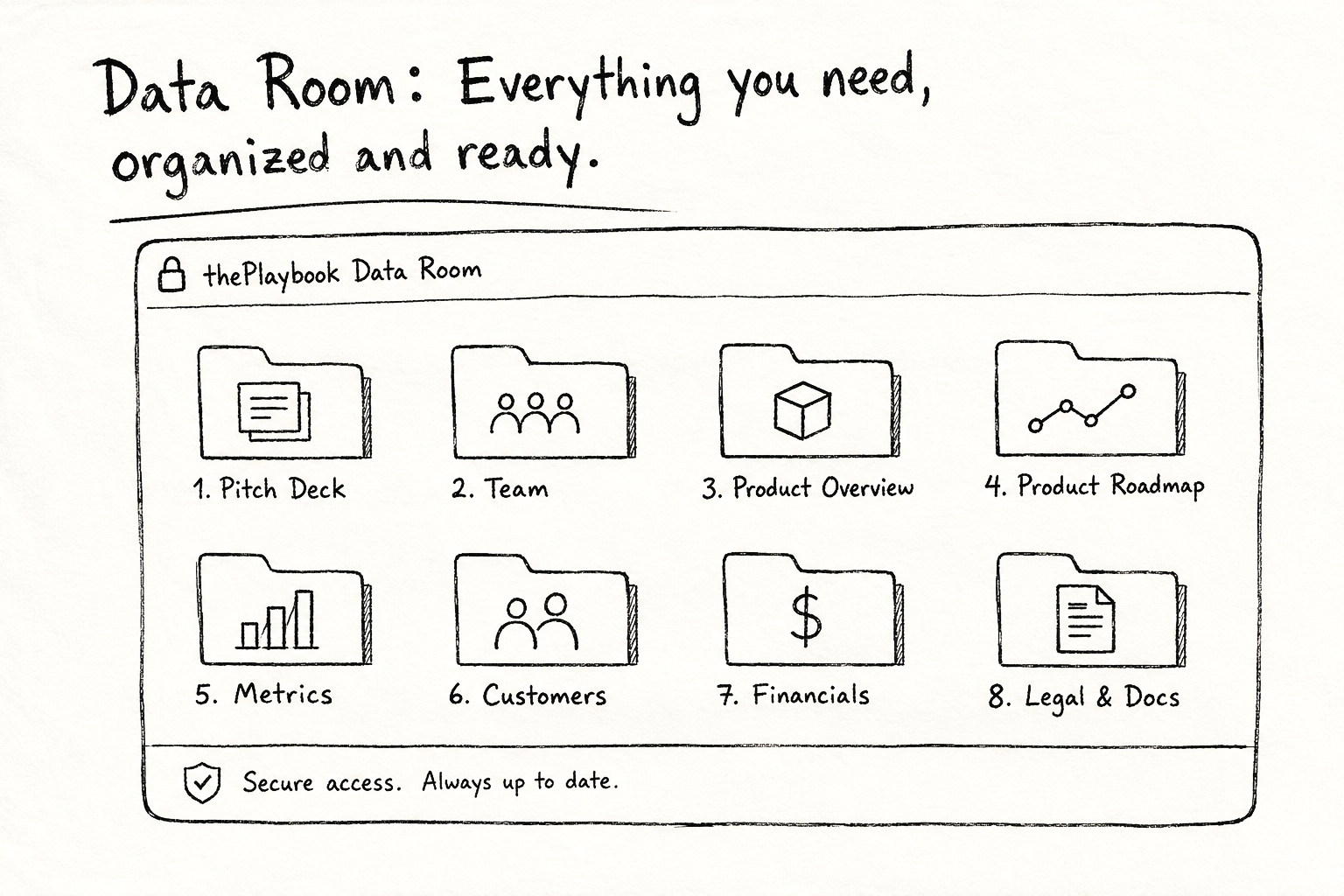
Data room template.
The seven-section structure an investor expects, one page per section. Built so you share the story freely and gate the sensitive detail until they've earned it.
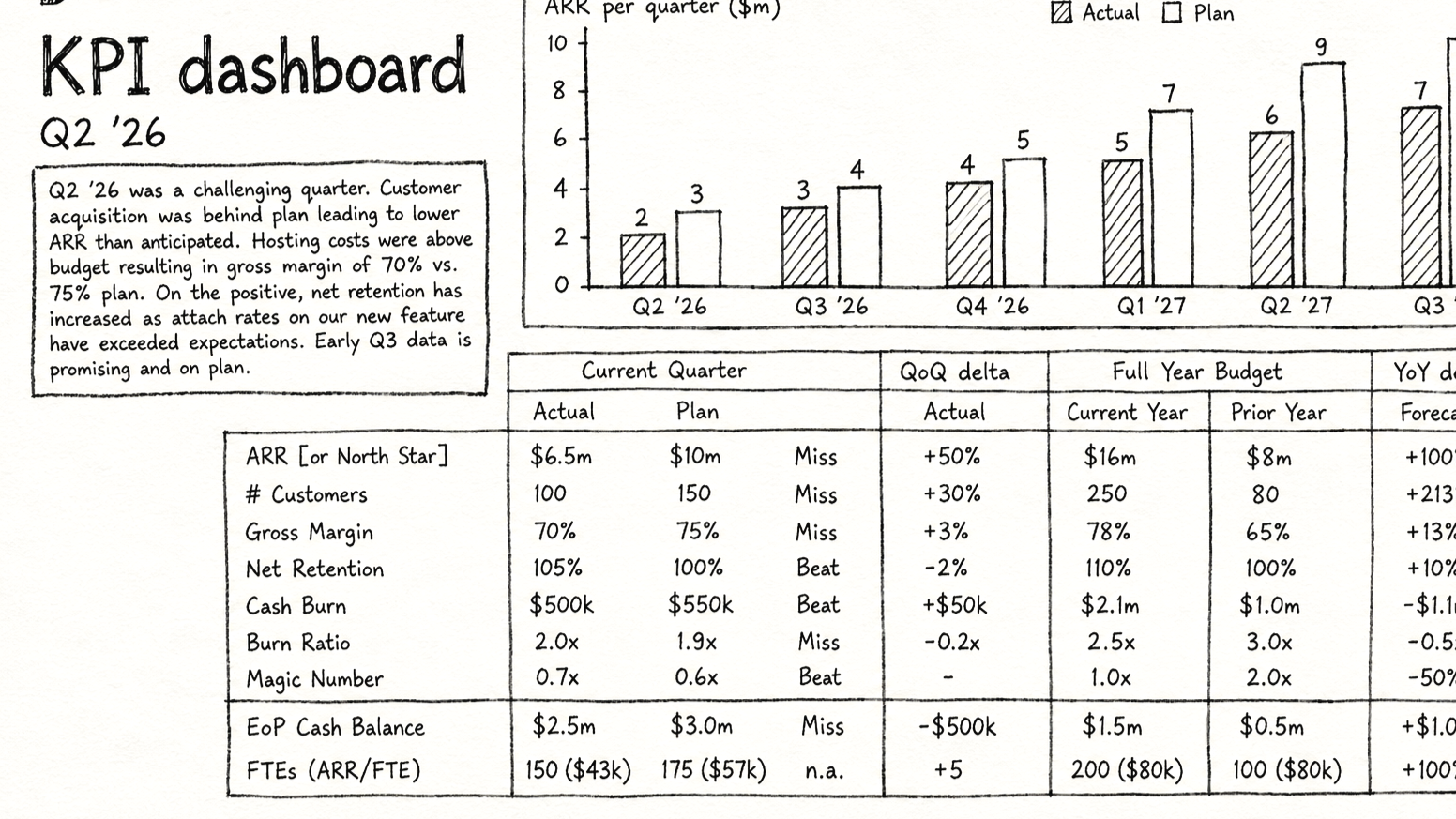
Metric dashboard.
Track the handful of numbers that actually decide your next round, revenue, growth, burn, runway, and the sector metrics that matter to you.
thePitch →
-
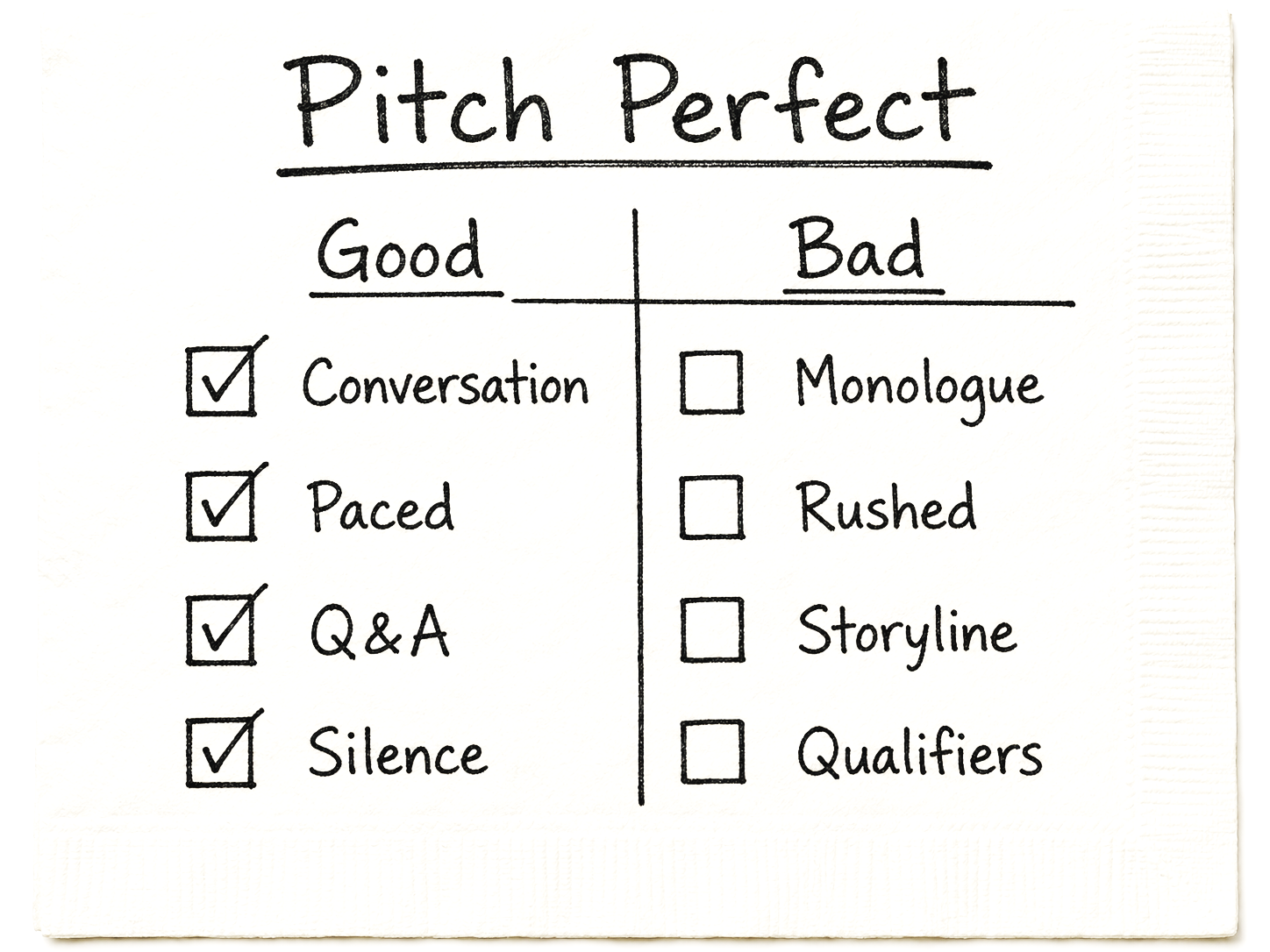
The best meetings don't start with a pitch. They start with the investor already knowing your company and already having a reservation in mind, so you spend the live time on the hard questions instead of reading a deck aloud.
-
Treat the meeting as a conversation not a monologue, spend your minutes where belief is actually won, read the room and adjust, and know when to stop talking
-
This lesson is the standard set and, more importantly, what each one is really testing, because the question on the surface is rarely the question underneath
-
Nobody believes your five-year forecast, including the investor reading it. The model's real job is to show how you think and whether your plan actually holds together. Build it simple, drive it from real assumptions, and let it catch your plan's flaws before an investor does.
-
Understand the mind of a VC, the hierarchy within firms, find an internal sponsor and close the decision making partner.
theProcess.
-
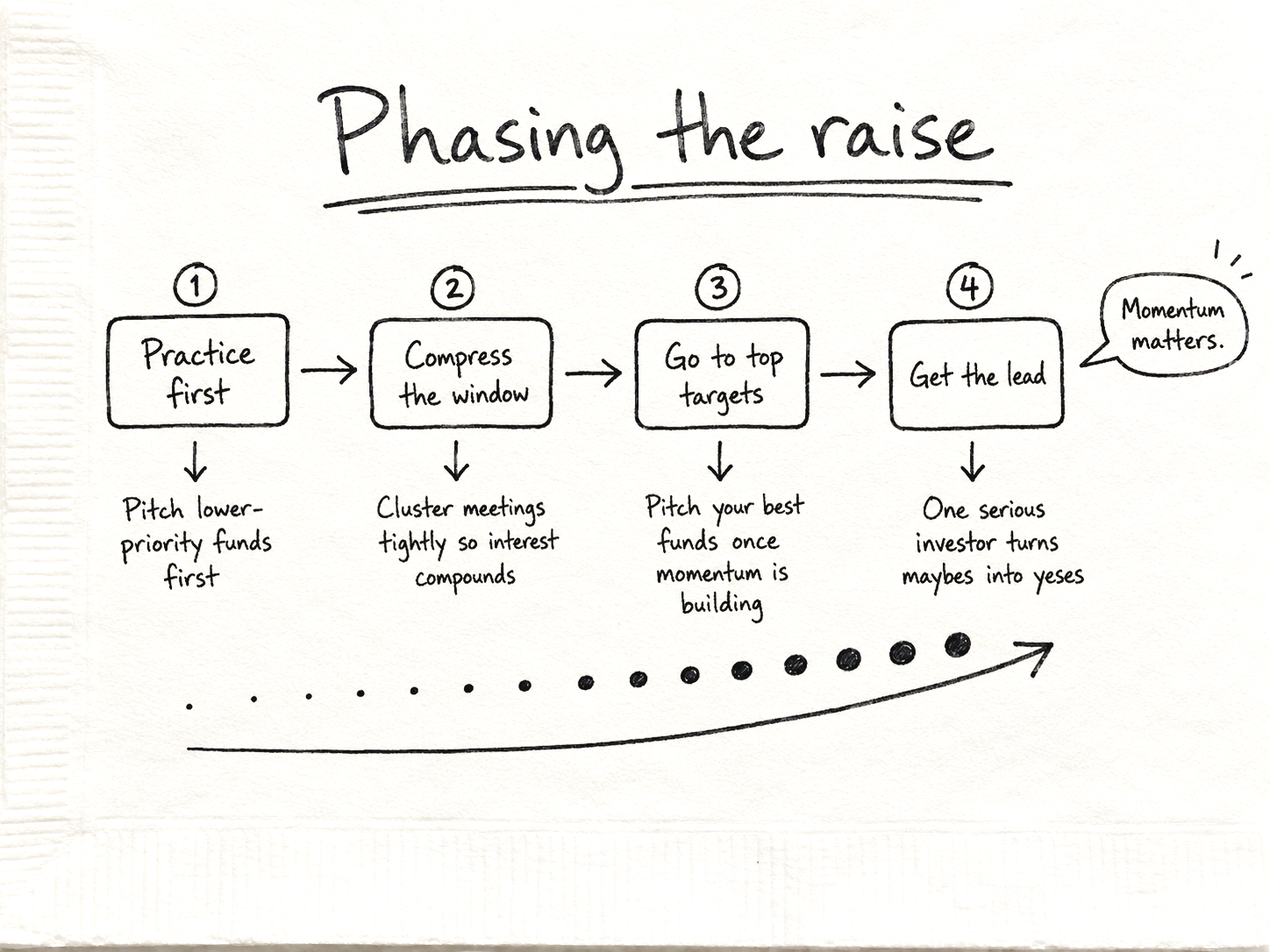
This lesson is how to run the campaign: compress your meetings into a tight window so interest compounds, pitch your lower-priority funds first as practice and save your top targets for when you have momentum behind you, and convert one serious investor into the lead that turns every maybe into a yes.
-
For the whole raise you've been trying to convince investors. This lesson is the moment it flips: you have interest, and now the question is who you actually want on your cap table for the next decade.
-
his lesson is how to keep the phase alive: respond fast and completely because a clean data room lets you answer in minutes, keep your other conversations and momentum signals running, and get ahead of anything a skeptical investor would find.
-
A term sheet is not money. A verbal yes is not money. The raise isn't done until the funds are in your account, and the weeks between "we're in" and the wire are where deals still quietly die, because founders relax exactly when they shouldn't.
-
How to hold your number, understand the term sheet, pivot a stalling process etc.
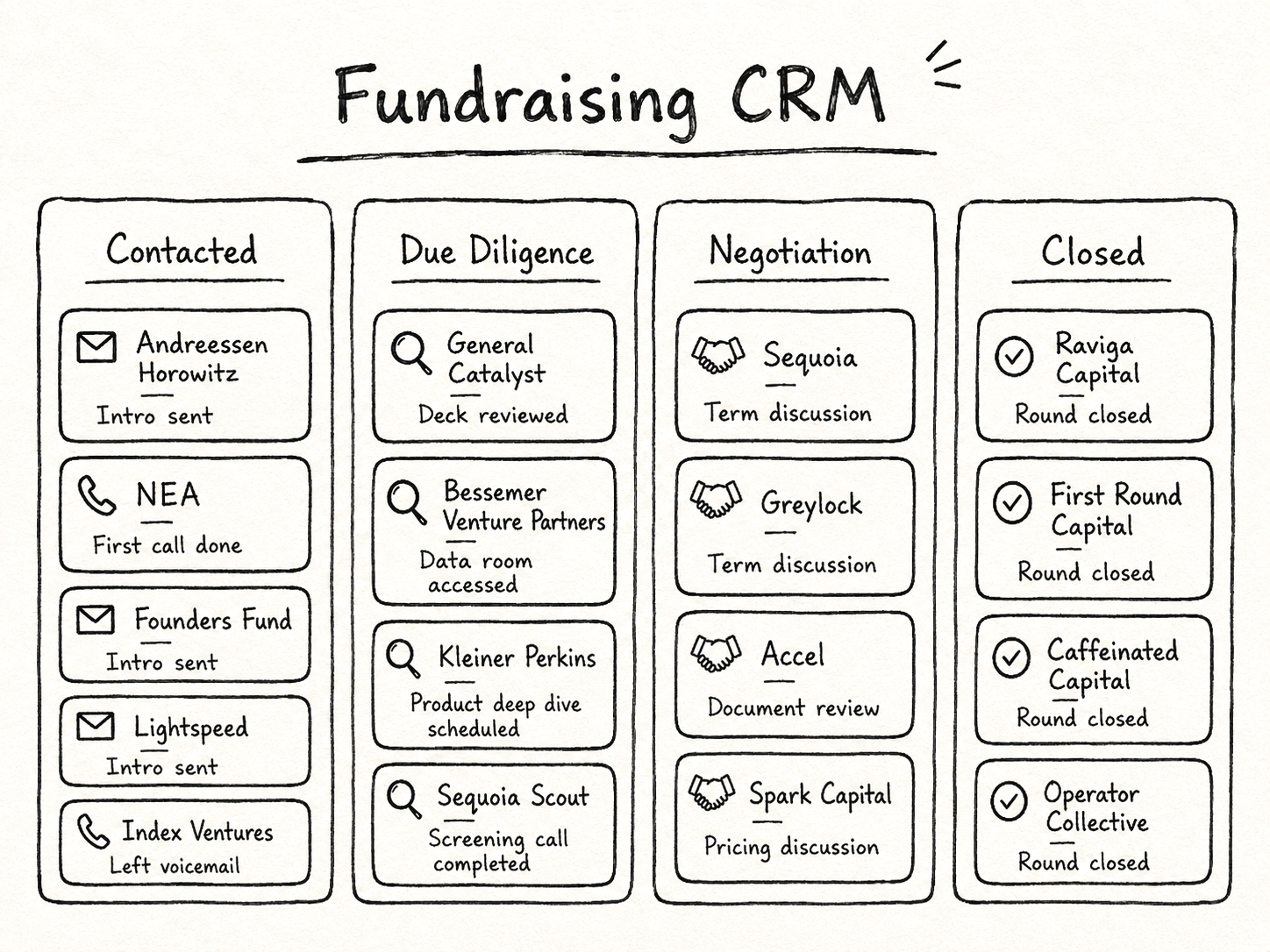
Investor CRM.
Track who you're actually working: fit, warm path in, tier, next action. The Capital Map tells you who exists; this is where you run them.
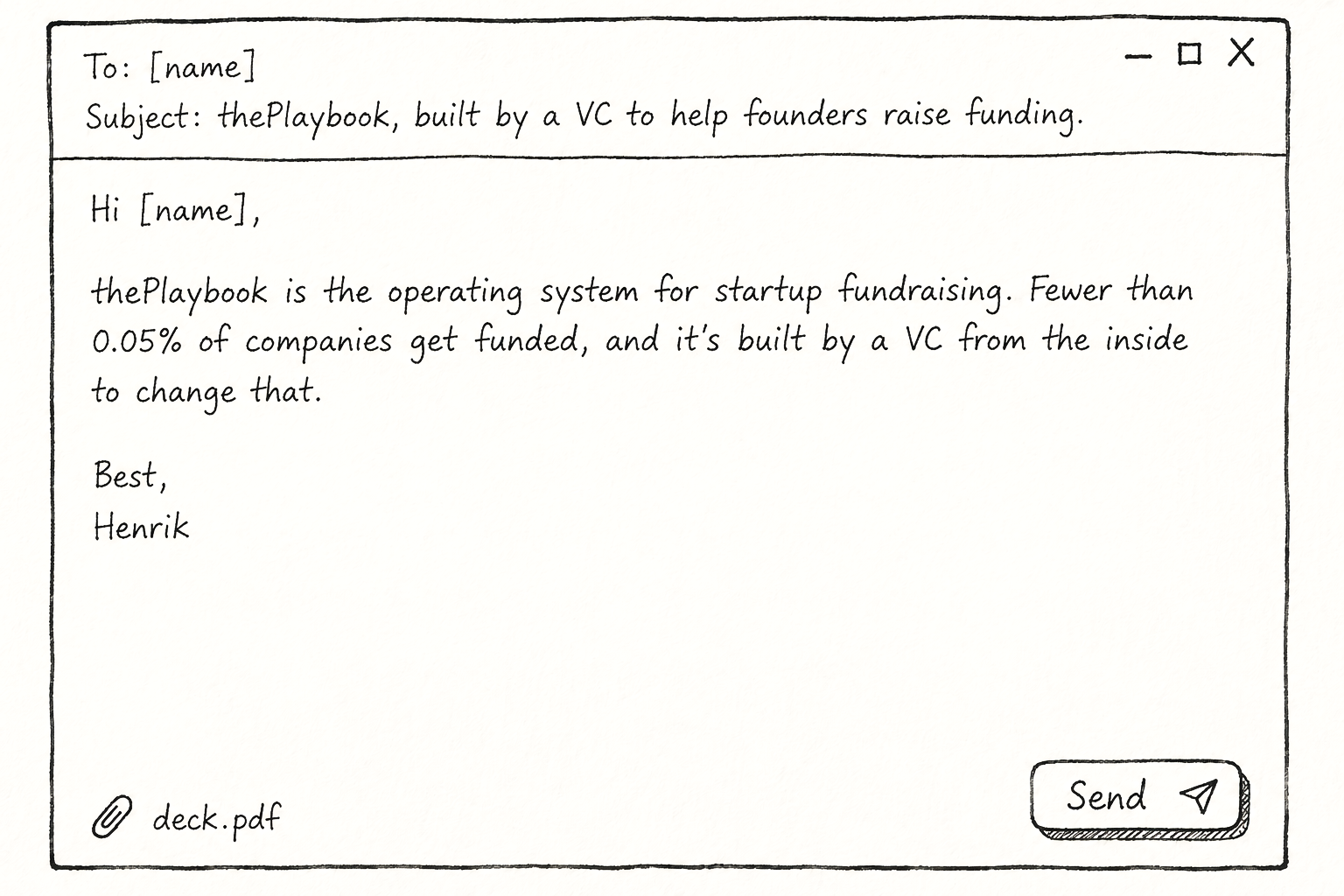
The forwardables.
The one-liner, the blurb, the warm-intro ask and the memo. The words your champion forwards when you're not in the room.
Included in thePlaybook.
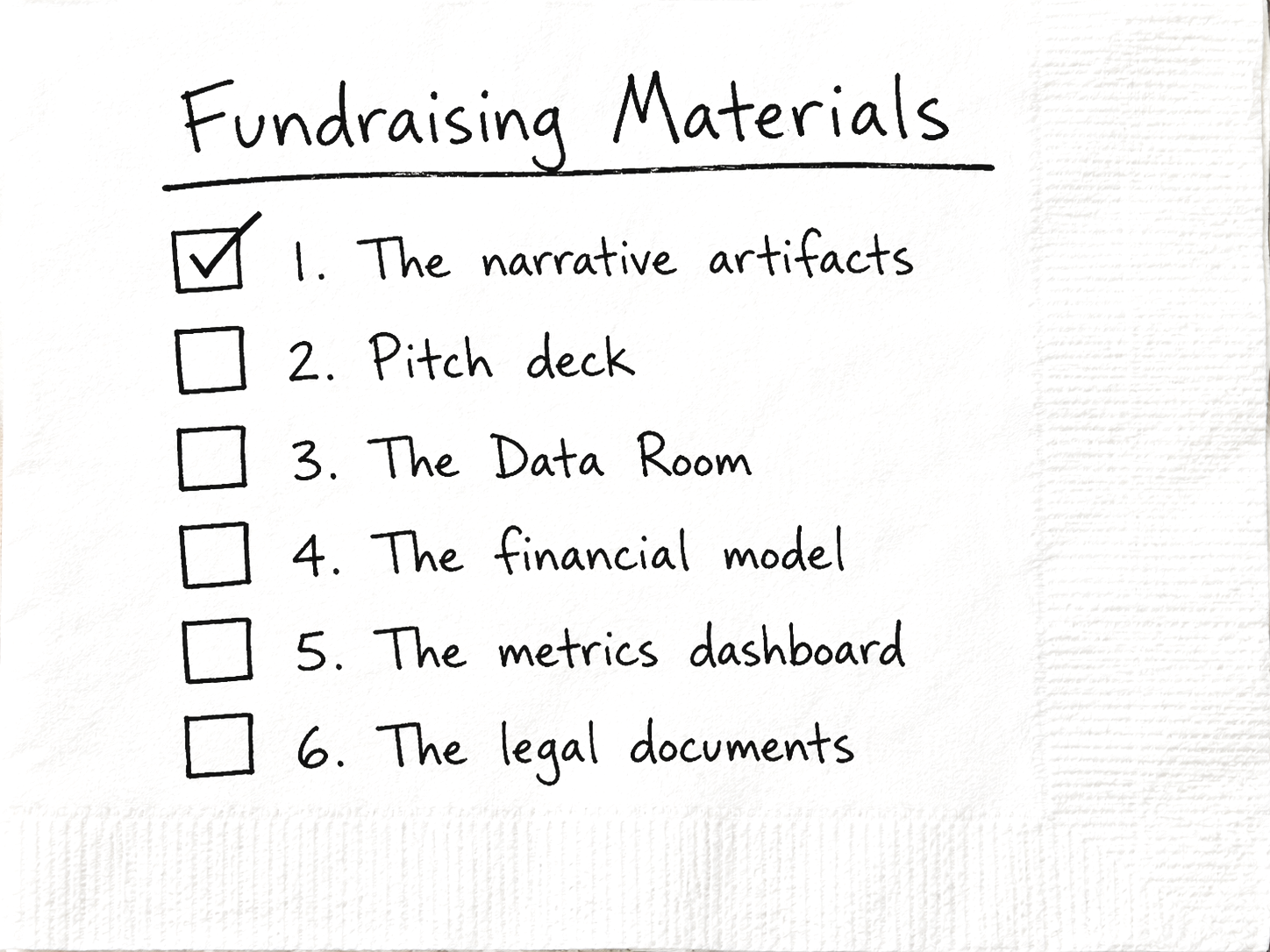
The Toolkit: the real files that raised millions.
Every lesson comes with the real template behind it, the same files founders have used to raise millions. Each one is filled in with a worked example first, so you see how it's done before you make it your own.
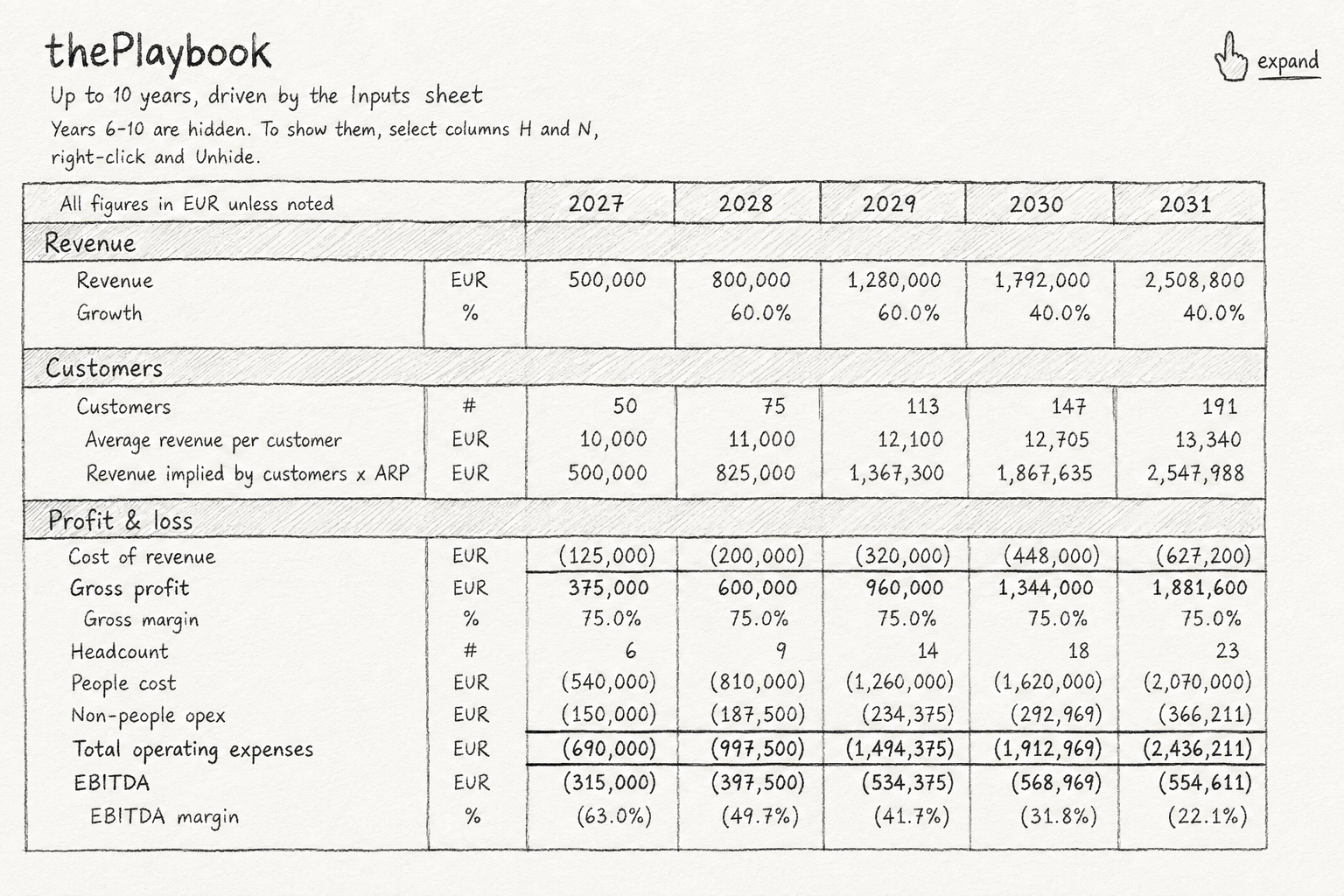
Financial model.
Fill in one input sheet, the five-year P&L, cash and runway build themselves. Currency toggle, editable raises, no formulas to break.
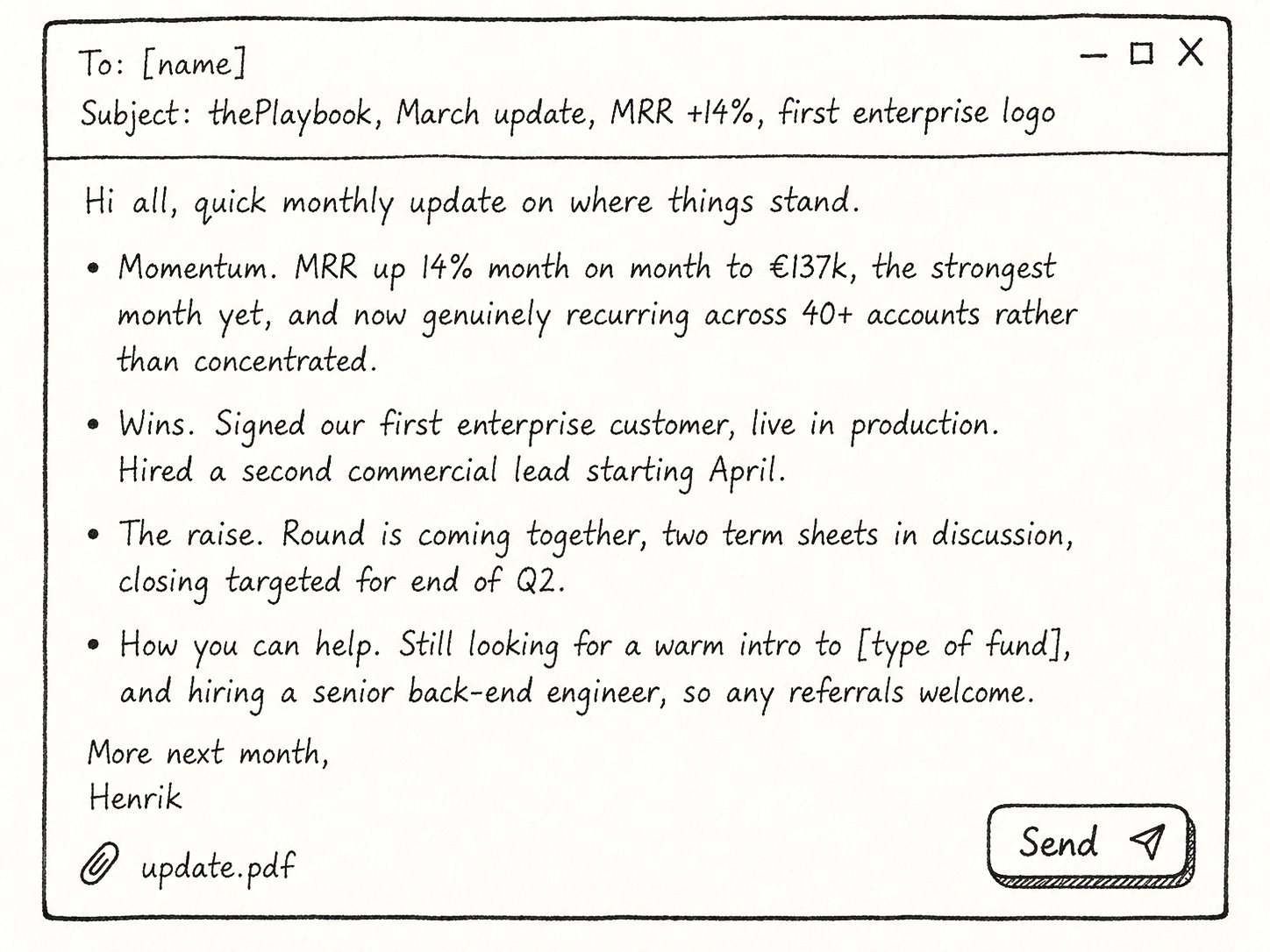
The emails.
The personalized cold email, the investor update and any other email that needs high level conversion.
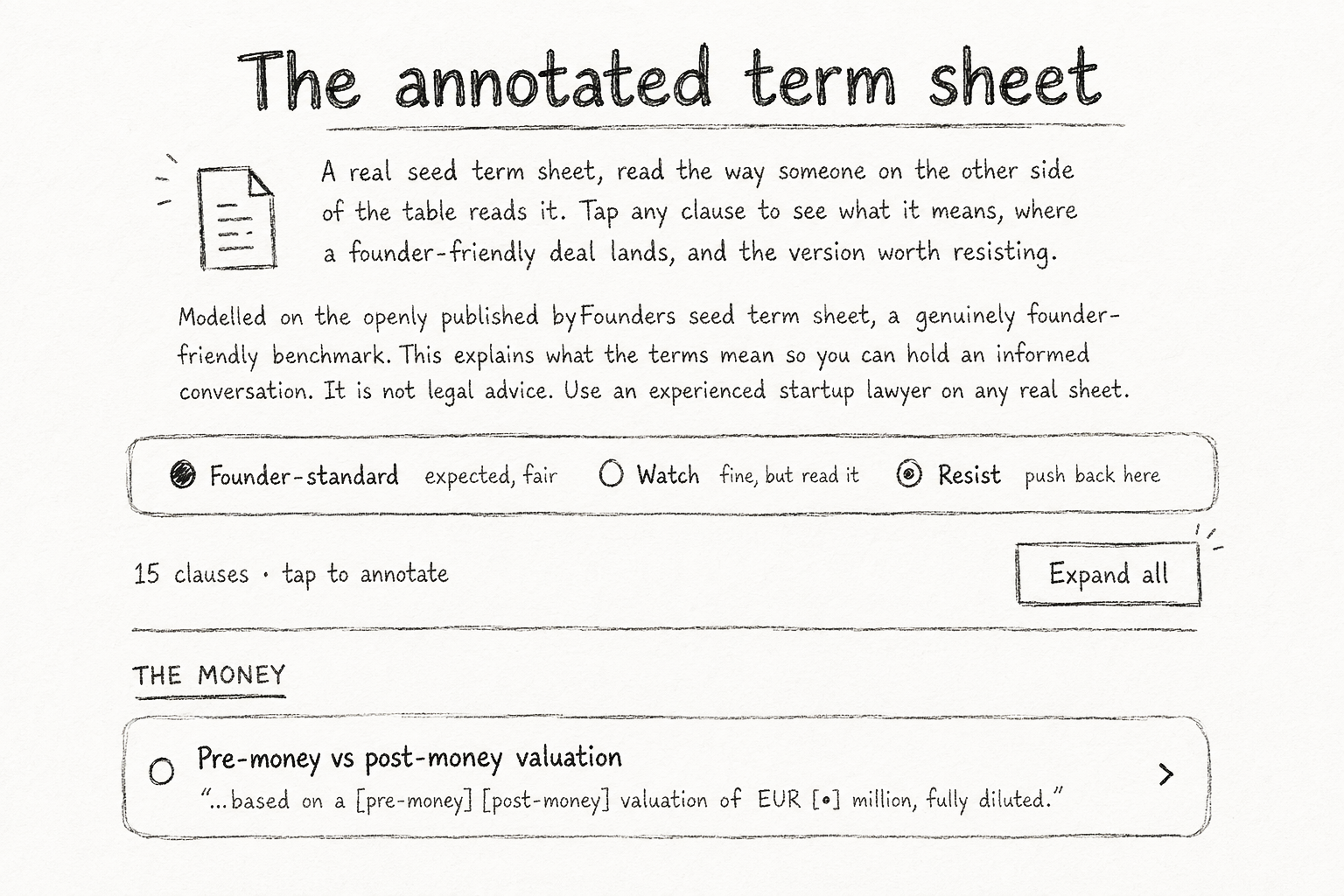
Annotated term sheet.
A real seed term sheet, read clause by clause: what each means, where a founder-friendly deal lands, and the version to push back on.
Everything to run a raise from concept to close, built by a former VC. Five modules, the full Toolkit, and every template you'll actually send investors.
Double down with private sessions.
The Playbook is the system. A session is someone across the table looking at your deck, your targets, your round - and telling you what a template can't.
30 or 60 minutes, one-to-one.
What is a realistic valuation for your company and your ownership over time.